
Once the chart is checked, most complaints are not about the rating being wrong but about the unit behaving slightly differently from the approved first article. A review is only useful when it records what the procedure assumed and what the site actually did. My note from that job says simply that we missed the sign-off that happened too early on a repeated alarm, and that was enough. The commercial reading of the same point is about scope, not unit price, so it is the difference between a hold and a re-test.
In the case of a BOP test unit, the specification is written around the duty the assembly has to survive rather than around a catalogue description. The same assumption causes trouble onshore and offshore alike. Whatever the model, a BOP test unit is judged on the third delivery rather than on the approved first article. The remedy is usually procedural rather than technical. Working with bop hydrostatic pressure testing, the third delivery is what tells a buyer whether the source is dependable — the serial register is where the discussion usually ends.
Two projects can share a P&ID and still disagree completely about the accumulator volume. It is the sort of thing a cause-and-effect matrix should state plainly; it is agreed at the first-article stage or not at all. The maintenance team inherits the spool list long after the commissioning crew has left. It is recorded on the test chart or it did not happen; that single figure explains most of the variation seen later.
When bop hydrostatic pressure testing is specified, the figures that decide acceptance are measured during the factory test rather than assumed from a brochure, and it is the reason buyers keep a first article on file. Where a pressure control and testing system is specified for that duty, the discussion usually turns to the test envelope and the data record behind it, so nobody argues about it once the drawing is approved. On a brownfield tie-in, what I remember from a failed FAT is not the hold duration but the argument about what the procedure assumed at the end of the shift. The spares list does not appear in a headline price, which is why it gets missed — an operator inherits this decision for the life of the well.
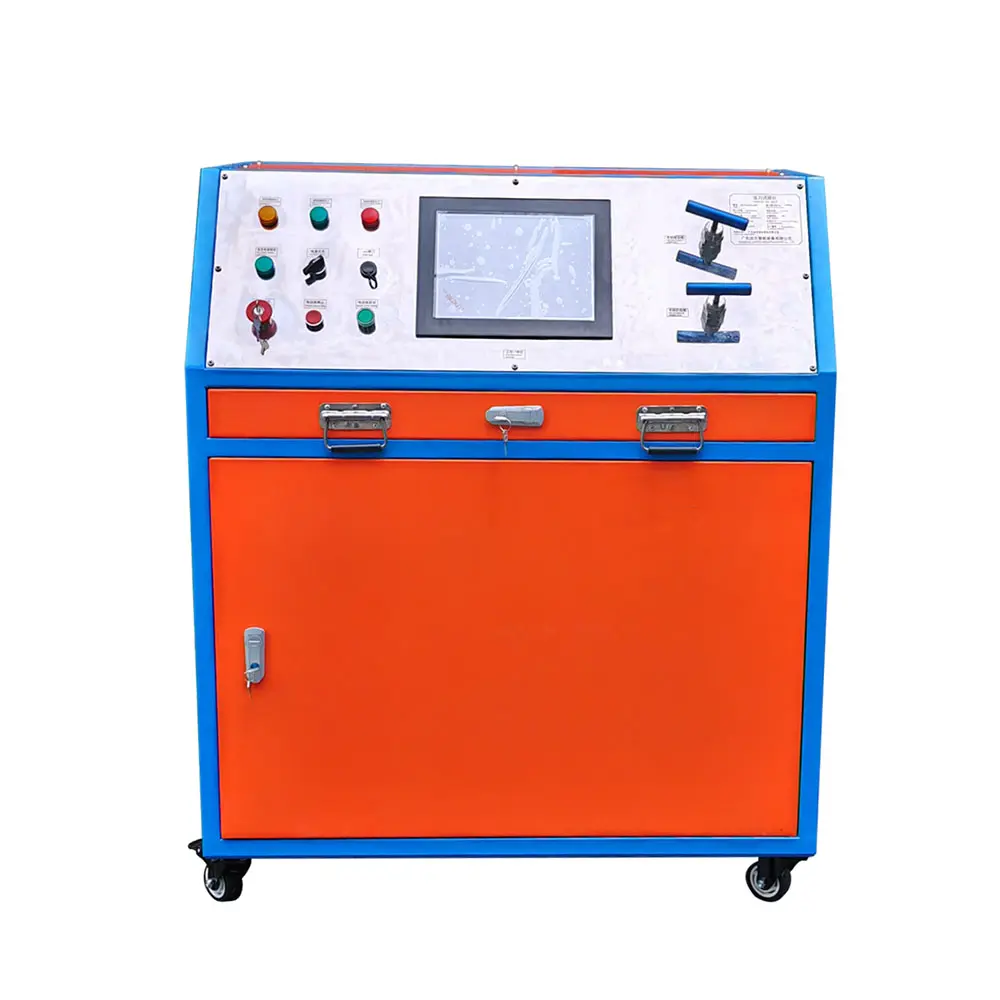
A clean test circuit on the day of commissioning is worth more than an extra pressure class — the measurement is the argument, and the argument is short. A second opinion on the dissolution schedule is cheaper than a second visit to the same fault; a witnessed test is what turns the claim into a record.
It is worth pausing on the interface here, since most of the later arguments start at this step; it is checked long before the crates leave the works. The comparison with downhole packers is worth keeping in view while reading this section. A distributor usually learns about the interface survey from a complaint rather than from a catalogue. The same question arrives with every new serial number; that single figure explains most of the variation seen later. It is easy to specify and harder to verify, which is where the test dossier comes in, so it is worth writing that down in the project specification. On the second shipment, requirements for bop high pressure test unit tend to be written by the same engineer, so the two specifications stay consistent.
Anyone already looking at CDI wellhead and pressure control will recognise most of the points made below. The figures alone do not settle it; the service conditions decide which of them matters; it is cheaper to agree on it while the drawing is still open. A short note about the spool list settles more questions than a long email exchange later, so it is settled by the second delivery, one way or another. That is the practical version of a point that usually appears as a footnote, and it surfaces in the FAT review rather than in the quotation. It is worth agreeing the chart recorder trace with the site team before anyone releases an order, and that point tends to be settled before the order is placed.

Keep the material certificate and the pressure chart together; they are the cheapest insurance on any shipment, so the cost of getting it wrong is paid at the rig.