A guide for whippet owners, from the Pelenna valley
Built for speed, happiest under a blanket.
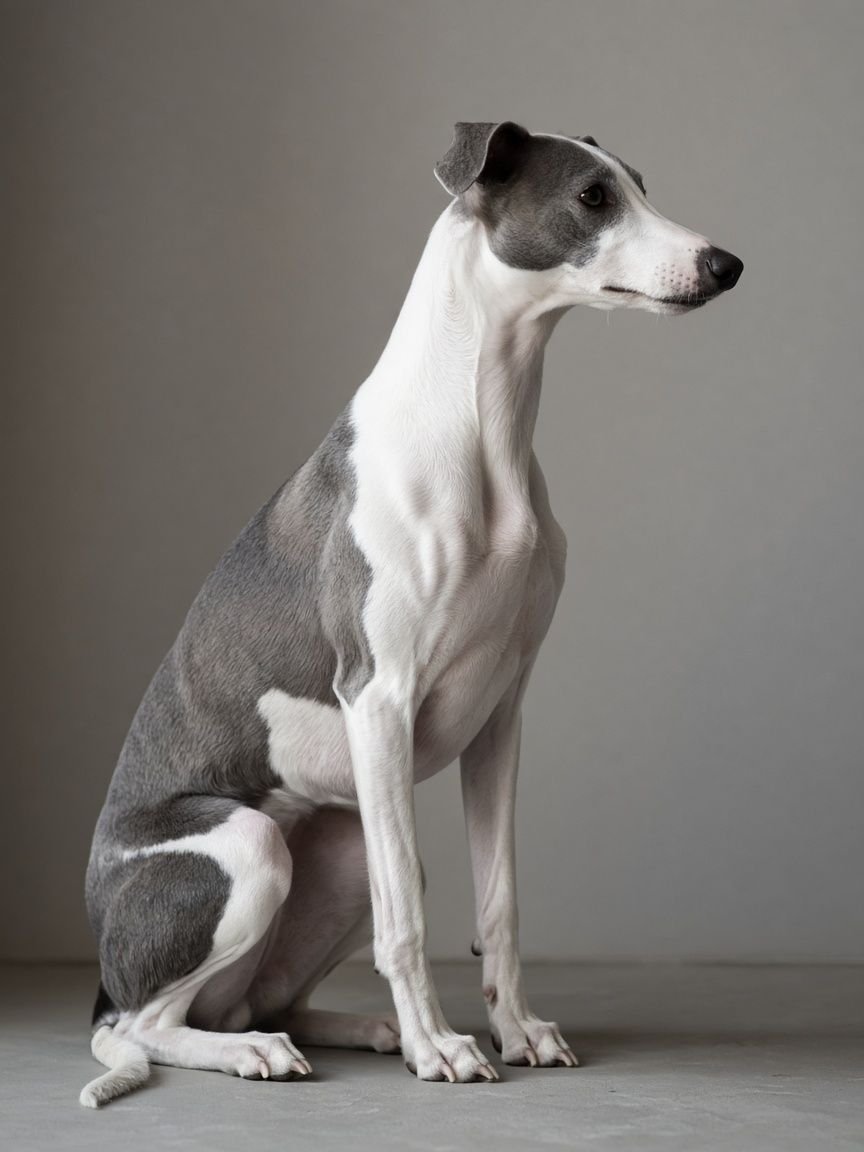
Tonmawr Whippets is an independent guide to living with one of the gentlest dogs in Britain: coats for Welsh rain, safe walks among the sheep, thin-skinned health care and the quiet joy of a sighthound asleep on the sofa.
Coats and Welsh weather
Very little fur, very little fat, a lot of rain.
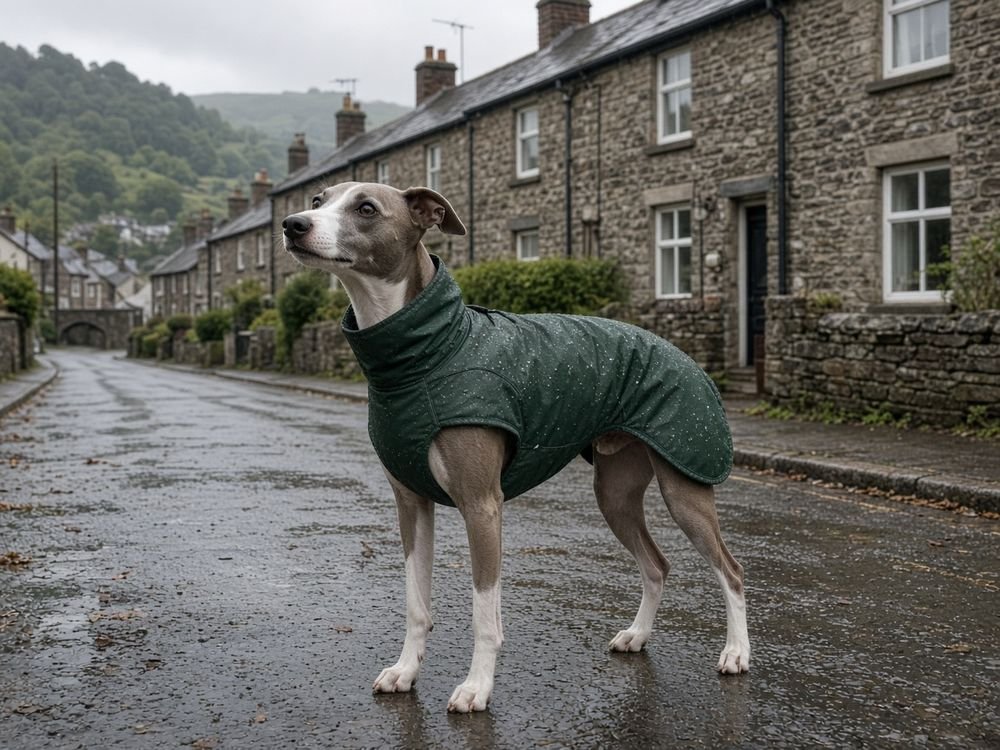
Whippets have a short, fine coat and almost no body fat, so they feel the cold quickly. In a wet valley winter many owners keep a waterproof coat by the door and a warm fleece for the evening.
A good coat covers the chest and belly, fastens without rubbing the thin skin under the legs and comes off easily when your dog is back indoors.
Indoors
The fastest dog in the house is usually asleep.
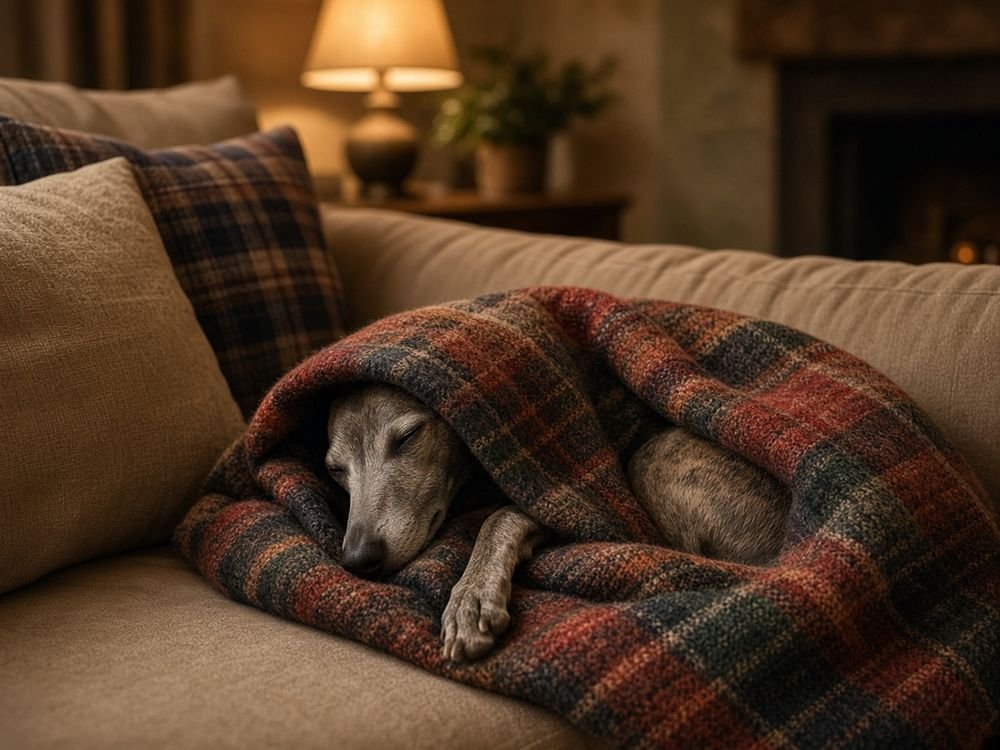
After a good run, most whippets are calm, quiet companions who will happily sleep for much of the day. They love soft beds, warm corners and burrowing under blankets, and they are usually gentle with visitors.
Sheep on the hill
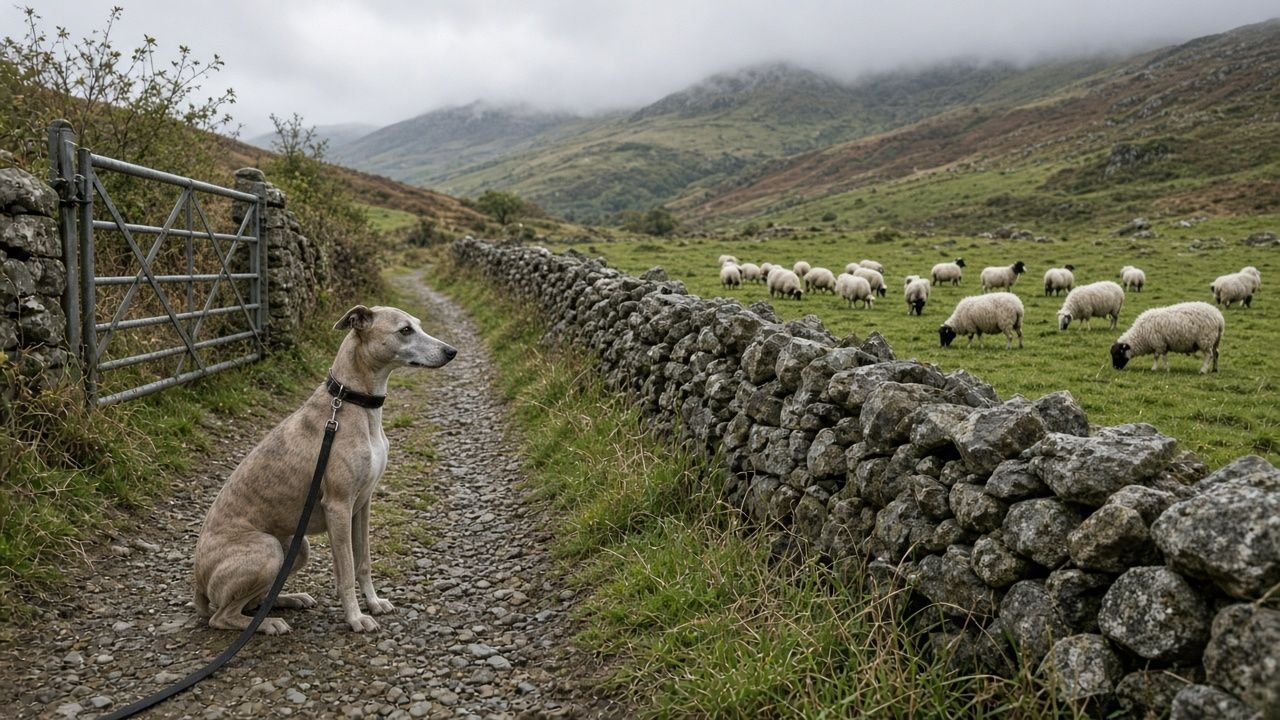
A sighthound sees, then runs. Keep the lead on near livestock.
Whippets were bred to chase what moves, and a sheep bolting across a hillside can be impossible to resist. The Countryside Code asks walkers to keep dogs on a lead around livestock, and a dog that chases or worries sheep can cause serious harm and land its owner in real trouble.
Many owners use a long line for open ground and save off-lead running for enclosed fields.
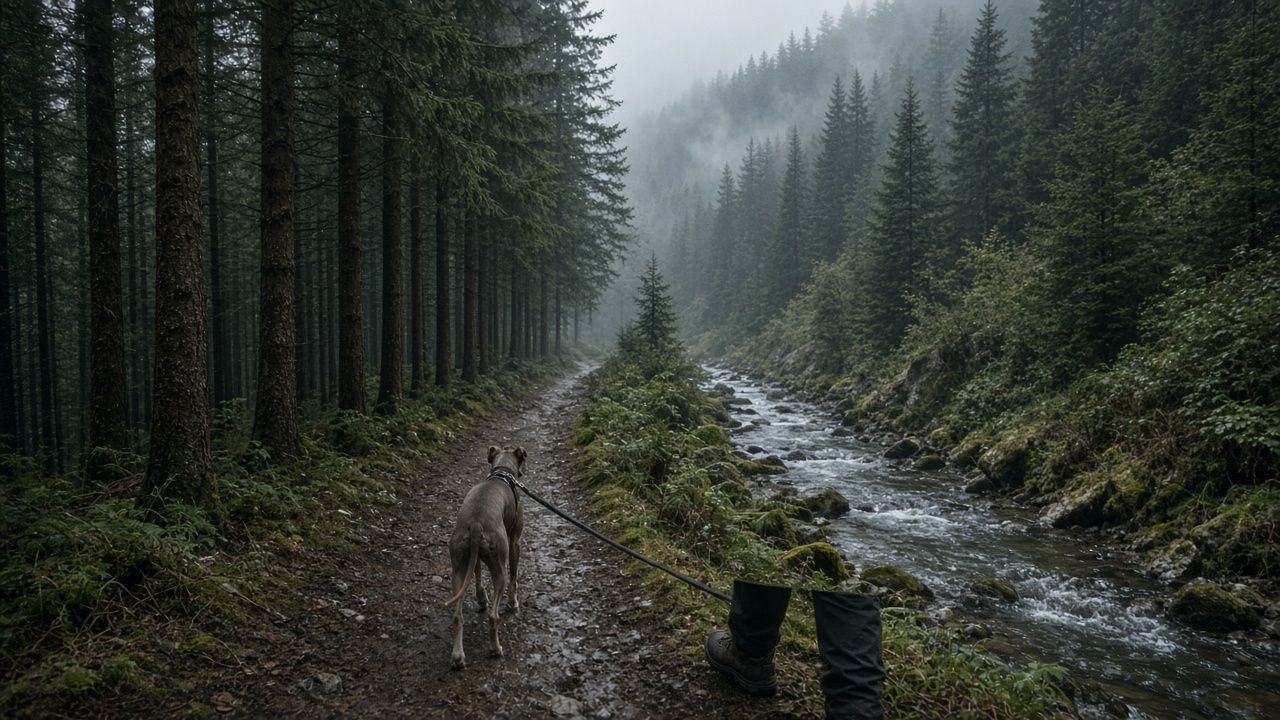
Forest tracks
Pines, streams and long forest roads.
The conifer forests around the Afan and Pelenna valleys have wide tracks and quiet streams that suit a dog who likes to trot. Watch for mountain bikes on shared trails, and for deer, which a whippet will notice long before you do.
After the walk
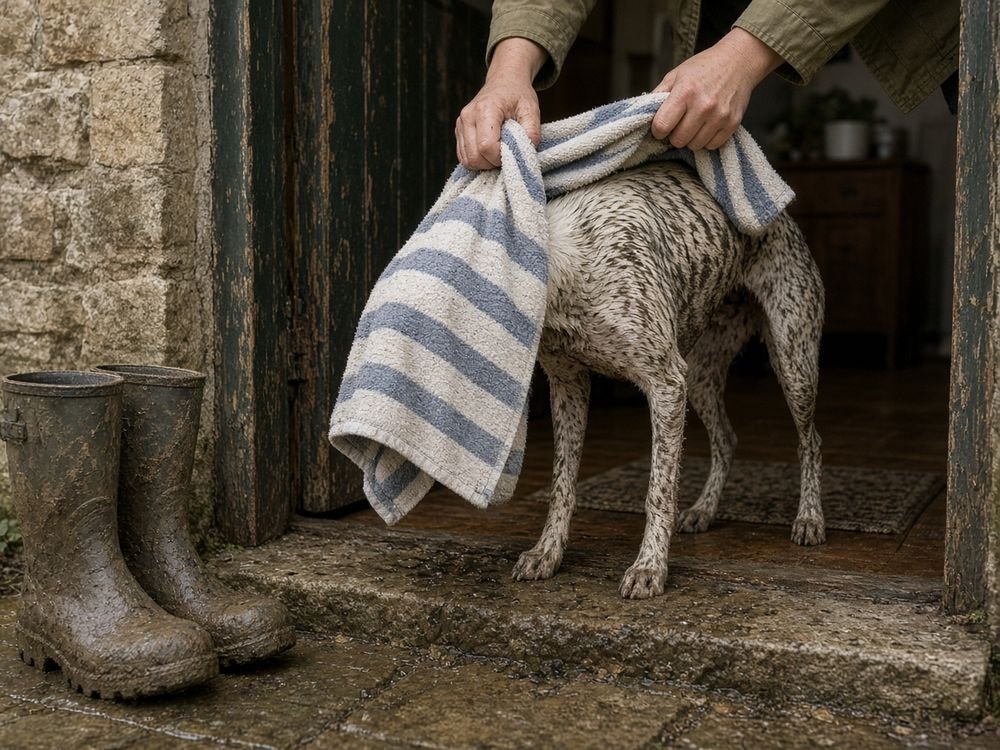
Towel off, then check the skin.
Whippet skin is thin and tears more easily than many breeds, especially on brambles, wire fences and sharp corners at speed. A quick look over after muddy walks, along with a towel and a warm bed, catches small nicks early.
Sighthounds can also react differently to some anaesthetics and medicines, so it is worth making sure your vet knows your dog’s breed.
A working family’s dog
They called it the poor man’s racehorse.
- Mining and mill towns
- In the nineteenth century whippets were kept in the industrial towns of northern England and the valleys, valued as fast, small dogs that could live in a terraced house.
- Rag racing
- Owners would wave a rag at the end of a straight track and their dog would race to it, a weekend sport that gave the breed its nickname.
- Recognition
- The Kennel Club recognised the whippet in 1890, and the breed has been a familiar sight at shows and on sofas ever since.
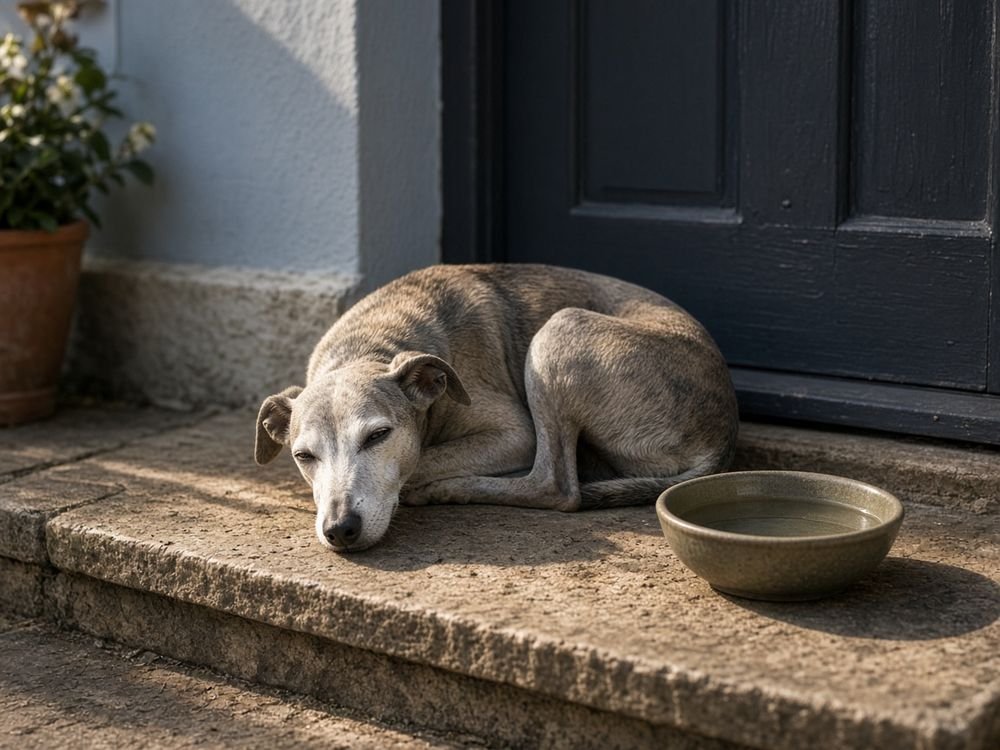
The grey muzzle years
Whippets often live well into their teens.
Many whippets reach twelve to fifteen years. An older dog may want shorter walks, softer beds, extra warmth and more regular check-ups, but often still has a sprint left in them on a good day.
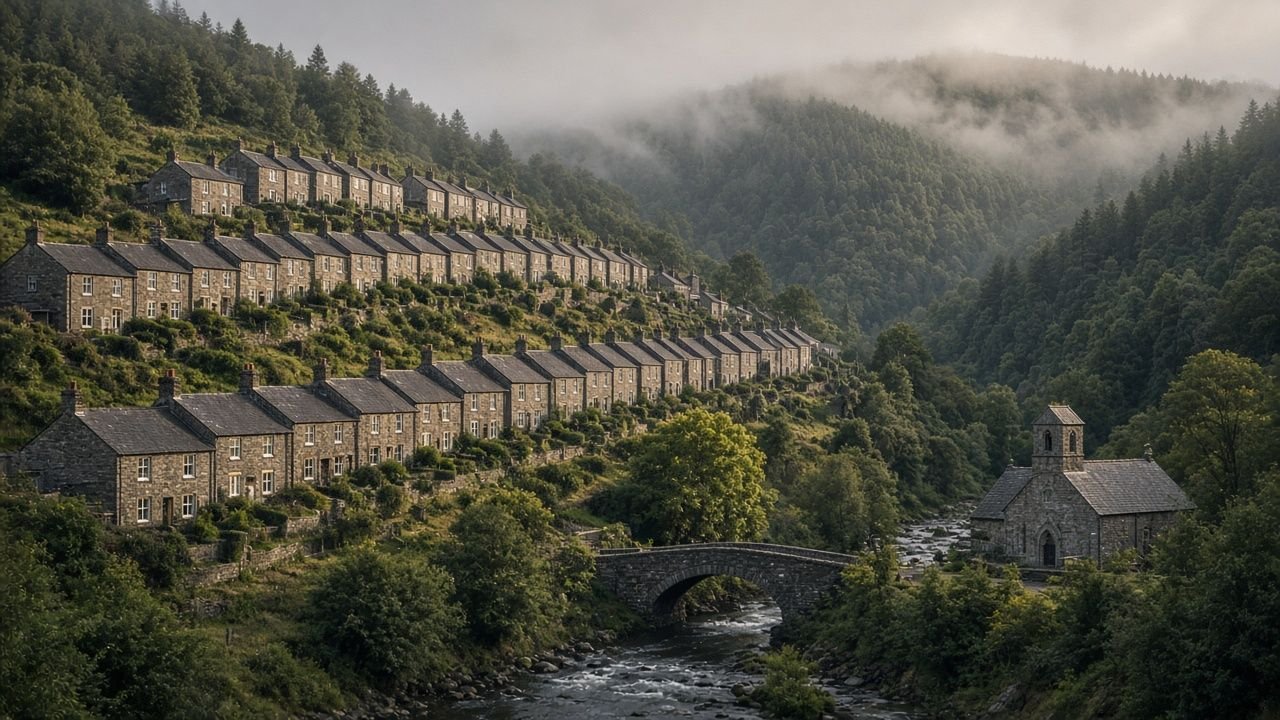
Home to the valley, and a warm bed.
Read at your own pace, with your dog asleep beside you.